
Is this Forgiveness?
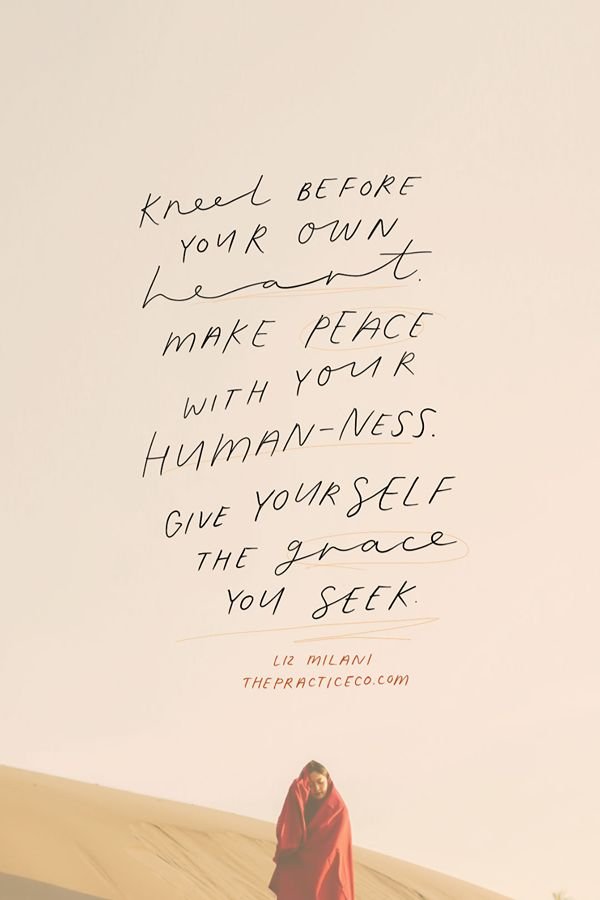
Here is the cleaned-up and properly formatted text:
What might forgiving yourself look like?
Yeah, quite a question, that one.
We suffer betrayals from others, and at the same time suffer the pain of betraying others, while at the same time, we forget not to betray or abuse ourselves.
It’s easy to focus on the pain we suffer at the hands and minds of other people, so much so that we can wrap the pain we’ve received from ourselves up in it, pretending that it came from somewhere out there beyond our skin.
But if forgiveness is the trajectory that gets us to peace and wholeness, we can’t get there unless we acknowledge first how we got here, unless we are able to be honest with ourselves about the abuses we aim towards our own heart, from the small and seemingly insignificant to the deep and painful things.
Included here is forgiving ourselves for how we’ve hurt others, too.
One of the hardest parenting journeys I’ve been on that no one told me about pre-kids is how I would have to forgive myself for the times I do wrong by my kids. It’s humbling and ego-destroying.
The good thing about being humbled is this: it’s grounding.
Glennon Doyle said:
“The word humility derives from the Latin word humilitas, which means ‘of the earth.’ To be humble is to be grounded in knowing who you are.”
Self-forgiveness takes those unrealistic and ridiculous standards we put on ourselves or take on from others and removes their power so that we can allow ourselves to be what we are: human. Of earth and dust, of heaven and love, of wonder and awe, of pain and joy.
Perfection is such a corrosive idea.
I grew up in a house where I never heard my parents fighting; conflict was never modeled for me. My mother, on the other hand, grew up in a house full of toxic fighting, post-war stress and trauma, cups (literal) and harmful words flying through the air. Two generations of conflict avoidance on different ends of the spectrum—chaos and willful ignorance. Neither of them created the desired outcome: peace. One tried via force, the other by suppression.
What I’m learning is this: repair can be more impactful than rupture. Conflict, pain, failure, and more are all part of the human experience. Grace allows us to be our fullest human selves. Rupture is unavoidable, but because we are so scared of failure and pain, we also avoid repair because of the way it needs us to show up to our failure and pain.
We think that the power and the groundedness we seek dwell in a rupture-pain-failure-free place full of success, perfection, and purity. But the opposite is true: We find our ground by standing in and on the dust we are made from and will return to. No aggrandizing. No self-abandonment. You are who you are, and that is enough.
So forgive yourself for thinking you needed to be more than human, something other than flesh and blood. Forgive yourself for all the ways in which you inflict pain upon your own body and heart, the ways in which you judge and condemn your form and function. How you berate yourself for not doing or being more. The shame you feel for all the things that leave the door open to shame itself…
Kneel before your own heart, in the ground, in the dirt. Make peace with your humanness. You’ll find that forgiveness will flow more freely when you ground yourself in your humanity, whether you’re directing it to yourself or to someone else.
MEDITATE ON THIS: “Self-forgiveness is a process that enables us to release guilt, while self-acceptance is a process that enables us to process our shame.” — Colin Tipping
Written By Liz Milani.